


Let’s be honest.
Path of Exile 2 is brutal. The combat is heavier, enemies punish mistakes, and loot does not magically rain from the sky anymore. If you’re still playing like it’s PoE 1 and hoping RNG will save you, you’re already broke.
Trading in PoE 2 isn’t optional. It’s survival.
This guide isn’t for spreadsheet addicts or economy professors. This is a real PoE 2 trading guide, written by someone who actually plays, bricks items, gets scammed once, learns fast, and starts printing currency after.
PoE 2 Trading Hits Different, For Real
PoE 2 trading feels slower, smarter, and way more punishing if you don’t know what you’re doing. Gone are the days of mindless bulk selling and instant dopamine drops.
Every item matters now.
Base types, item level, affix synergy, and timing all play a role. If you sell too early, you lose value. If you hold too long, the market moves on without you. That tension is what makes PoE 2 trading exciting.
When you sell a good item and see the currency stack grow, it feels earned.
First Rule of PoE 2 Trading: Stop Vendoring Everything
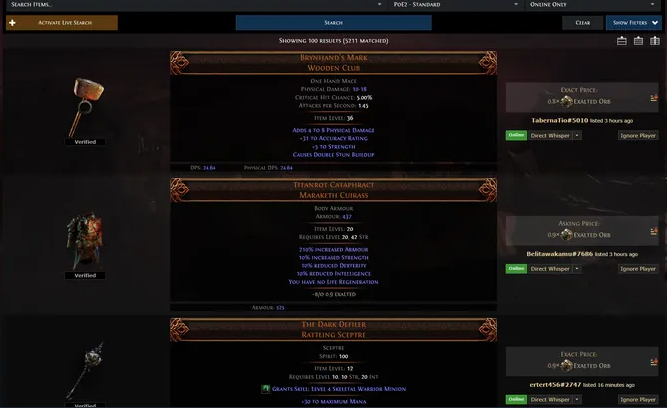
This sounds basic, but it’s the number one mistake new players make.
In PoE 2, good bases are currency.
📖 Read More Monster Hunter Wilds Weapon Tier List (2026)
White or magic items with:
- High item level
- Strong implicit stats
- Popular weapon or armor bases
These can sell, even before crafting. Especially early in the league.
If you vend everything that isn’t rare, you are deleting currency and calling it “cleanup.”
Learn What Actually Sells (Not What Looks Cool)
Not every shiny item has value.
What sells consistently in PoE 2:
- Items with life and resist combos
- Gear with skill gem synergy
- Weapons with high base damage, even with bad rolls
- Jewels with simple, clean stats
- Crafting bases for meta builds
What usually doesn’t sell:
- Overcomplicated rares with random stats
- Items that only work for one weird niche build
- Gear that looks strong but doesn’t scale
Trading is not about emotions. It’s about demand.
Pricing Items Without Losing Your Mind
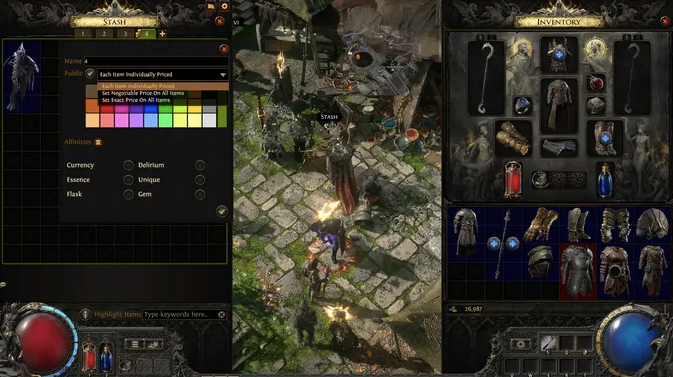
Here’s the amateur-but-effective pricing method.
📖 Read More PRE ORDER: Resident Evil Requiem Release Date
- Search similar items
- Undercut slightly, not aggressively
- If it sells instantly, you priced it too low
- If it doesn’t sell in a day, adjust
That’s it.
Don’t sit there refreshing trade for 40 minutes trying to squeeze one extra chaos. Time is currency too.
In PoE 2, consistent sales beat perfect pricing.
Currency Trading Is Still King
If gear trading feels intimidating, start with currency.
Currency flipping is alive and well in PoE 2:
- Exchange lower-tier currency into higher-tier ones
- Watch ratios during peak hours
- Sell when players are crafting, not sleeping
You don’t need to be rich to start. You just need to pay attention.
Small profits stack fast.
Timing the Market Matters More Than Ever
Early league:
📖 Read More Diablo 4 Echo of Lilith Guide
- Sell everything usable
- Don’t overcraft
- Liquid currency > gear upgrades
Mid-league:
- Flip gear for meta builds
- Craft selectively
- Buy low, sell high actually works here
Late league:
- High-end crafts
- Boss drops
- Luxury items for min-max players
PoE 2’s economy evolves fast. If you’re stuck playing yesterday’s market, you’re already behind.
Avoid These Trading Mistakes (Learn From Pain)
- Don’t ignore item level
- Don’t price-check once and forget
- Don’t chase “perfect rolls”
- Don’t hoard junk hoping it spikes
Most players aren’t poor because the game is unfair. They’re poor because they refuse to adapt.
Why Trading in PoE 2 Feels So Good
When everything clicks, trading stops feeling like a chore.
- You map.
- You drop something decent.
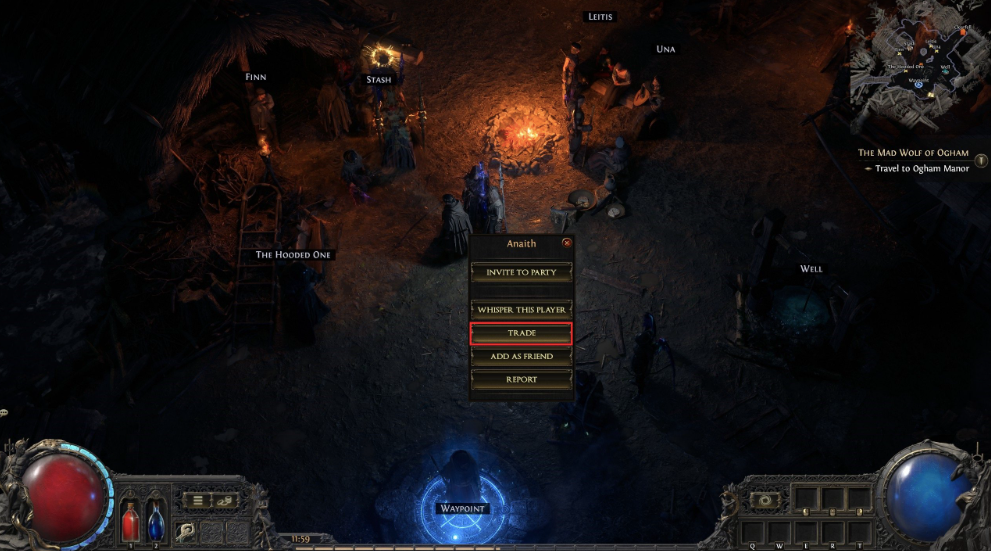
- You list it.
- Someone whispers.
- You sell.
- You upgrade.
That loop feels clean, rewarding, and honestly addictive.
PoE 2 finally made trading feel like part of progression, not a side job.
Final Thoughts: Trade Smart or Stay Broke
Path of Exile 2 doesn’t care about your feelings.
It rewards players who learn, adapt, and pay attention.
If you want smoother progression, better builds, and actual freedom in how you play, you need to trade. Not perfectly. Just smart.
Once it clicks, you’ll wonder how you ever played without it.