


VALORANT has reached the point where no agent stays imbalance forever. Riot tweaks something, the meta shifts, ranked adapts, and suddenly your go-to agent in the last act feels awkward again. That constant movement is part of the game’s appeal, but it also makes one thing annoying. Picking the wrong agent still loses you rounds.
As of 2026, the roster has grown large enough that viability actually matters. Some agents fit into almost any composition and still feel strong. Others need very specific maps, agent compositions, or playstyles just to keep up. A few, unfortunately, are still waiting for a reason to exist.

This tier list reflects how agents perform right now across ranked and competitive play. It’s not about which agent is theoretically strong on paper. It’s about who consistently wins games when things get messy.
If you want the short version: Clove, Jett, Sage, Phoenix, and Reyna are shaping the current meta. Everyone else is playing catch-up.
How This Tier List Was Put Together
VALORANT balance patches never stop, so this list isn’t pretending to be permanent truth. Agents are ranked based on how often they succeed across different maps, how much value they bring without perfect coordination, and how forgiving they are when rounds don’t go according to plan.
Pro play matters here, but ranked play matters more. An agent that only works in five-stack scrims doesn’t deserve the same credit as one that performs in solo queue chaos.
One thing that never changes, though: comfort beats meta. A confident B-tier agent will always outperform an S-tier pick you don’t actually understand.

VALORANT Agent Tier List (2026)

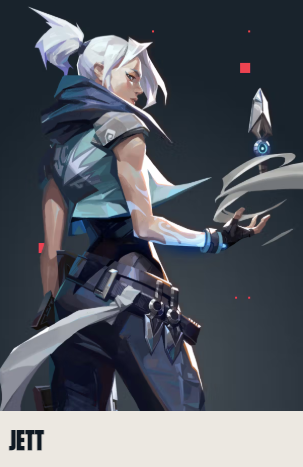
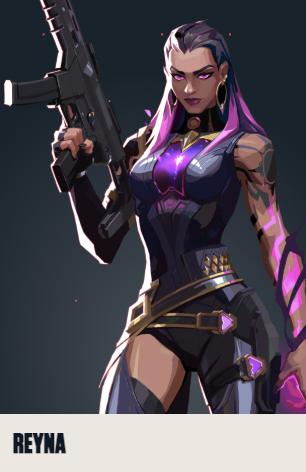
S-Tier: Clove, Jett, Sage, Phoenix, Reyna
A-Tier: Sova, Killjoy, Chamber, Fade, Raze, Neon, Gekko
B-Tier: Skye, Vyse, Deadlock, Cypher, Veto, Waylay, Iso, Brimstone, Breach
C-Tier: Tejo, Viper, Yoru, KAY/O, Astra, Omen
D-Tier: Harbor
S-Tier Agents: Why They Run the Meta
The S-Tier agents all share one thing. They don’t need perfect conditions to be effective. Even in bad rounds, they still create pressure, space, or momentum.

Clove sits at the top of that list. She isn’t just the best controller in the game; she’s one of the strongest agents overall. Her kit blurs the line between controller and duelist, letting her take fights, control space, and stay alive longer than she has any right to. The self-revive ultimate alone forces enemies to play differently, and the bonuses she gains from kills turn long rounds in her favor.
Jett remains the gold standard for mobility. Even after multiple nerfs, no other agent can take space as cleanly or escape danger as reliably. In the hands of a strong aimer, she still decides the pace of entire halves.
Reyna continues to dominate ranked for one simple reason. She wins duels. She doesn’t help her team much, and she never has, but if you trust your aim, no agent turns individual confidence into round wins more consistently.
Phoenix is back in the spotlight because he does a bit of everything without feeling weak. Flashes, healing, area control, and an ultimate that encourages aggressive plays make him reliable in almost any situation, especially in solo queue.
Sage remains irreplaceable. Healing, slow orbs, walls, and a resurrection that can flip a losing round into a win. Not all agents could change how a match is going on as much as Sage does, even though she isn’t flashy.
A-Tier Agents: Strong, but Not Automatic
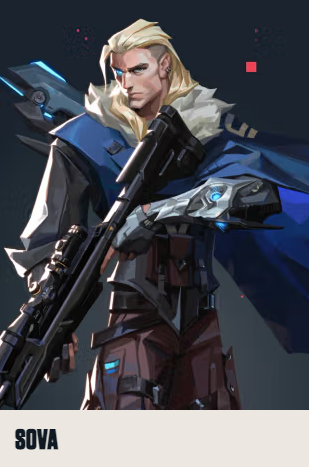
A-Tier agents are powerful, but they need the right conditions.
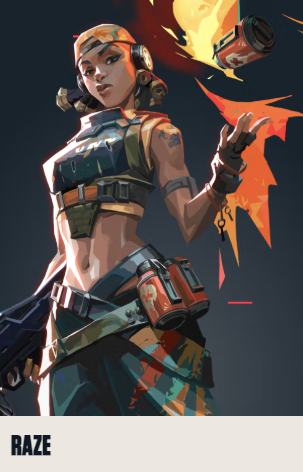
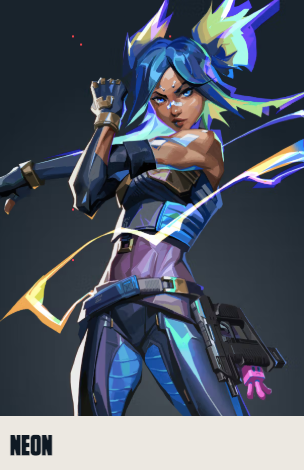
Raze is still great at destroying the enemy’s utility and forcing the defenders’ side out of position, but she is slightly not as useful as that on maps that don’t fit her explosive playstyle. Neon does well on aggressive team play, but without support, her speed turns into too much movement.
Among initiators, Sova is still one of the most reliable information-seeking agents in the game. Fade can put strong pressure on the site, especially with her ultimate, while Gekko is appealing to both newbie and old players with his flexibility and accessibility.
For sentinels, Killjoy is still the number one choice at locking down sites with her utilities, though you have to prepare the utilities properly. Chamber, as always, lives and dies by aim. In the right hands, he still takes over games.
B-Tier and Below: Playable, But Conditional
You can still carry the game with some B-Tier agents, but they heavily depend on team composition or some specific maps. Iso and Waylay show up in well-composed teams but feel hard in solo queue. Skye and Breach can perform well in tight and small maps but feel mediocre elsewhere.
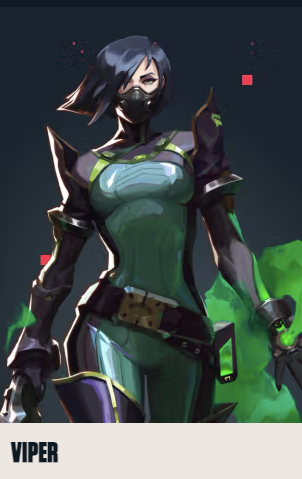
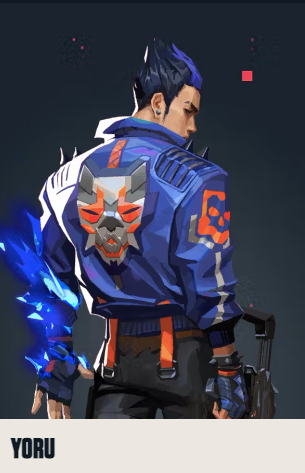

C-Tier agents suffer from either complexity or inconsistency. Yoru demands too much effort for too little payoff. Viper and Astra are powerful on paper, but they require communication that most ranked teams don’t have. Omen, at higher elo, is simply too readable.
At the bottom sits Harbor, whose kit still feels like a weaker version of what other controllers already do better. Until he gets meaningful buffs, he remains the hardest agent to justify picking.
Final Thoughts

Tier lists help you narrow your choices, not make them for you. VALORANT is still a game about confidence, timing, and understanding your role in the round.
Pick an agent that fits your playstyle, learn their limits, and stop chasing every patch note. The meta will change again. Your fundamentals should not.