


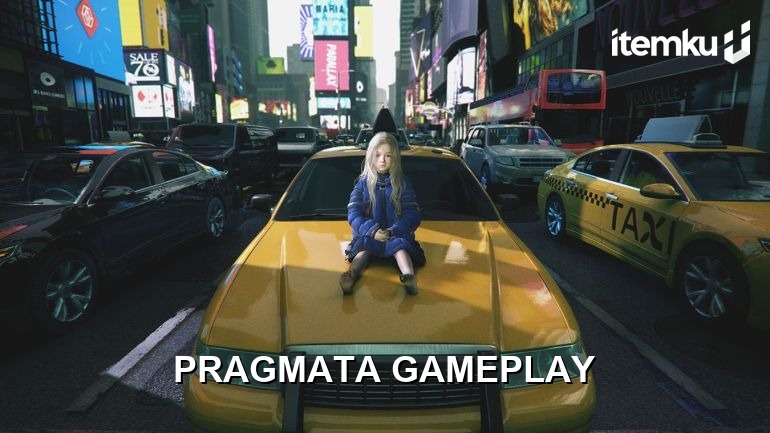
Pragmata Gameplay: Complete Combat Guide, Mechanics Breakdown & Everything We Know
The wait is almost over. Capcom’s mysterious sci-fi project finally has a face, a date, and gameplay footage that actually makes sense. After years of cryptic teasers showing a man and a girl on the Moon, we now understand what Pragmata actually is. Spoiler: it’s ambitious as hell.
This guide breaks down every confirmed Pragmata gameplay element. From the revolutionary Dual-Unit combat system to lunar gravity mechanics, consider this your pre-launch survival kit. April 25, 2026 arrives sooner than you think.
What Makes Pragmata Different? Capcom’s Bold Sci-Fi Action Adventure
Capcom built its modern empire on horror. Resident Evil. Devil May Cry’s gothic demons. Even Monster Hunter carries dark fantasy DNA. Pragmata throws all that out the airlock.
The official genre tag reads “Cinematic Sci-Fi Action.” Translation? Expect spectacle over scares. The emotional core shifts from survival dread to something warmer—a human-machine bond between soldier and android.
Director Cho Yonghee describes the title itself as meaningful. “Pragmata” derives from Greek, meaning “things” or “real beings.” That philosophy permeates every design choice.
Release Date Confirmation: April 25, 2026
Lock it in. After delays that spawned countless memes, Capcom confirmed the official launch date during State of Play 2025. April 25, 2026 positions Pragmata in spring’s competitive window. That timing signals serious publisher confidence.
Pre-release content already exists. The Pragmata: Sketchbook demo offers early glimpses, while the Pragmata Original Soundtrack builds anticipation through audio previews.
Available Platforms and Technical Specifications
Day-one availability spans current-gen hardware. PlayStation 5 owners get the full experience. Xbox Series X|S players join the lunar expedition. Steam brings PC gamers aboard.
Nintendo Switch 2 gameplay remains a question mark. Capcom hasn’t confirmed native support, though cloud streaming could bridge the gap depending on Nintendo’s infrastructure.
| Platform | Confirmed Status | Expected Features |
|---|---|---|
| PlayStation 5 | Yes – Day One | 4K, Ray Tracing, 60 FPS |
| Xbox Series X|S | Yes – Day One | 4K, Ray Tracing, 60 FPS |
| Steam (PC) | Yes – Day One | DirectX 12, SSD Recommended |
| Nintendo Switch 2 | Unconfirmed | Potential Cloud/Native TBD |
Pragmata Official Gameplay Trailer Analysis
The “World View” trailer changed everything. Previous teasers showed mood. This one showed mechanics. Real combat. Real traversal. Real answers to questions we’ve asked since 2020.
Key Reveals from the World View Trailer
Combat fluidity dominates every frame. Hugh Williams—our protagonist in the Heavy Suit—moves with purpose across lunar terrain. Diana (designation D-I-0336-7) follows not as burden but as tactical asset.
The trailer showcases seamless environmental transitions. Surface combat flows into interior sequences. No loading screens interrupt the action. Zero-loading design philosophy proves the RE Engine’s evolution.
Enemy variety surprised everyone. Robotic drones. Armored humanoids. Massive Lunar Sentinel bosses. Each demands different approaches.
RE Engine Features Pushing Visual Boundaries
The RE Engine powered Resident Evil Village. It drove Devil May Cry 5’s stylish chaos. Pragmata pushes it further.
Real-time ray tracing transforms the Moon’s harsh environment. Light bounces realistically off metallic surfaces. The Lunar Research Station interiors showcase detailed close-quarters rendering that rivals pre-rendered cinematics.
Producer Naoto Oyama emphasized technical ambition during Capcom Spotlight presentations. The engine handles exterior lunar landscapes and cramped station corridors with equal fidelity.
Pragmata Combat Mechanics Breakdown: The Dual-Unit System
Forget everything escort missions taught you. Diana isn’t a liability. She’s your greatest weapon.
The Dual-Unit System fundamentally reimagines cooperative combat. Hugh provides firepower and mobility. Diana delivers intelligence and tactical options. Neither functions optimally alone.
Understanding Hugh’s Heavy Suit Capabilities
Hugh Williams operates within specialized equipment designed for hostile lunar conditions. The Heavy Suit isn’t cosmetic—it directly impacts gameplay through multiple systems.
The Suit Integrity Gauge demands attention. Accumulated damage reduces movement speed by 15%. Reckless engagement carries consequences. Play smart or suffer sluggish retreats during critical moments.
Thruster Movement enables rapid repositioning. Short bursts of propulsion create tactical opportunities impossible in standard gravity environments.
Diana’s Android Abilities and Tactical Integration
Diana’s android nature grants capabilities that complement Hugh’s offensive arsenal. She scans. She distracts. She heals. Most importantly, she thinks.
The IDUS (Intelligent Direction Unification System) integration allows Diana to process battlefield information faster than human perception. Environmental weak points illuminate through her analysis. Hidden pathways reveal themselves.
Worldbuilding Supervisor Shoji Kawamori contributed to Diana’s design philosophy. Her mechanical nature serves narrative and gameplay simultaneously.
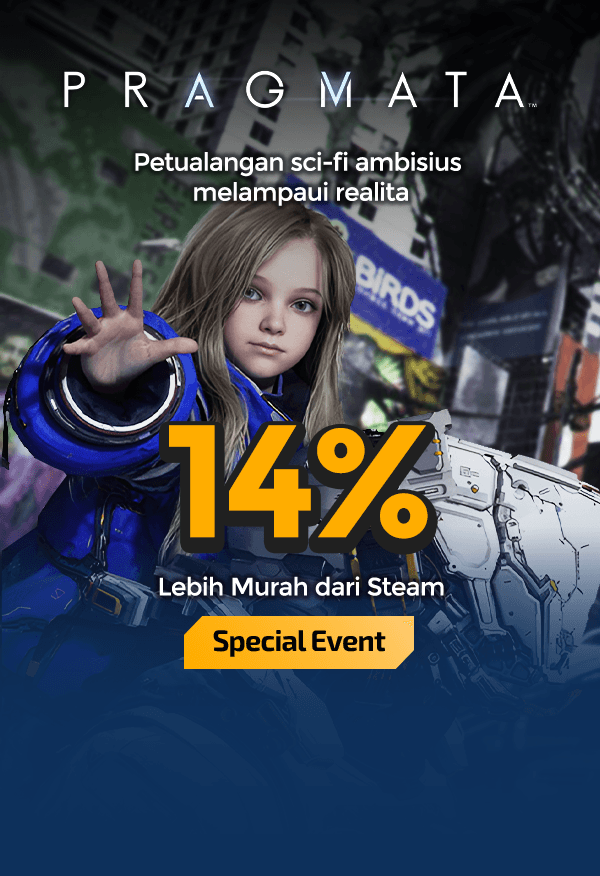
Sync-Sight, Aero-Anchor, and Energy Sharing Explained
Three primary systems define combat rhythm. Master these or struggle against lunar threats.
| System | Mechanic | Tactical Benefit |
|---|---|---|
| Sync-Sight | Diana scans environments for weak points | Highlights 2x damage zones on robotic bosses |
| Aero-Anchor | Grappling hook tethers enemies together | Groups enemies for AOE burst damage |
| Energy Sharing | Transfer suit power to Diana | Triggers EMP shockwave clearing surrounding threats |
Sync-Sight activates Weak Point Targeting on mechanical enemies. Those glowing zones? They’re not decorative. Hit them for doubled damage output.
Aero-Anchor rewards spatial awareness. Tether multiple drones together before unleashing AOE attacks. Efficiency matters when resources run scarce.
📖 Read More: Pragmata Release Date: Capcom’s Lunar Odyssey is Finally Within Reach
Energy Sharing creates risk-reward decisions. Transfer power for devastating Burst moves, but manage reserves carefully. Empty suits don’t survive long.
Hugh and Diana Gameplay Footage: Character Abilities Guide
Recent footage reveals deeper ability integration than trailers suggested. The human-machine synergy extends beyond simple commands.
Hugh’s Offensive Arsenal
The Heavy Railgun serves as Hugh’s signature weapon against armored threats. Devastating. Loud. Resource-hungry.
Ammunition works differently here. You don’t scavenge rounds from convenient crates. The Unit Printer fabricates ammo using Lunum—the game’s core resource gathered from defeated enemies. Maintain reserves of at least 100 units for armored encounters.
The Firmware Updater allows weapon customization through collected Luna Filament. Upgrade paths remain partially hidden, but expect meaningful progression systems.
Diana’s Support and Projection Skills
Diana’s “Projection” ability creates holographic duplicates. Enemies perceive these as legitimate threats. The tactical applications multiply quickly.
Advanced players already theorize about the “Double-Back” strategy. Deploy Diana’s projection leftward as distraction. Hugh flanks right. Backstab criticals deal 3x damage. Clean. Efficient. Deadly.
The Decoy Gun amplifies misdirection options. Combined with Projection skills, enemies face constant positional uncertainty.
Mastering the Human-Machine Synergy
Diana’s Heal-Link protocol activates automatically when Hugh’s suit takes critical damage. During this 5-second window, vulnerability increases. Defense boosts by 30% compensate partially.
Smart players trigger Heal-Link intentionally. Position safely. Accept the link. Emerge stronger. The mechanic rewards understanding over reaction.
Pragmata Hacking Minigame: System Integration Deep Dive
Hacking Panels scattered throughout environments offer non-combat progression paths. Diana interfaces with Hacking Nodes to manipulate station systems.
Blue Nodes and Yellow Nodes carry different functions. Blue typically controls environmental hazards. Yellow often unlocks pathways or supply caches. Red Earth Memory tokens hide behind complex hacking sequences.
The Hatch System connects hacking directly to exploration. Locked doors. Disabled turrets. Dormant robot allies. Each requires specific node manipulation through Diana’s abilities.
Lunar Research Station Exploration: Environment and Level Design
The Moon isn’t backdrop decoration. It’s a gameplay variable affecting every encounter.
Gravity Manipulation on the Moon’s Surface
Low gravity fundamentally alters combat rhythm. Jumps carry you higher. Falls take longer. Enemies behave differently.
Gravity Slide becomes essential for advanced play. Press dash during jumps to trigger “Weight-Shift”—rapid ground return that dodges overhead sweeps from Lunar Sentinel bosses.
Thruster Movement combines with gravity manipulation for mobility options impossible on Earth. The verticality recalls Devil May Cry’s aerial combat, transplanted onto lunar terrain.
Open World vs Linear Levels: What to Expect
Pragmata employs hub-based structure. The Shelter serves as central base between missions. Linear mission structures branch from this hub.
Major locations include the Lunar Research Station, lunar surface areas, and the mysterious Fake New York—an AI-generated stage that defies immediate explanation. Earth appears in narrative contexts, though gameplay extent remains unclear.
| Location | Environment Type | Primary Challenges |
|---|---|---|
| The Shelter (Hub) | Interior Base | Resource Management, Upgrades |
| Lunar Research Station | Mixed Interior/Exterior | Hacking, Boss Encounters |
| Moon Surface | Open Exterior | Gravity Combat, Exploration |
| Fake New York | AI-Generated | Unknown/Story-Related |
Pragmata Boss Fights and Enemy Types
Enemy variety demands tactical flexibility. Standard approaches fail against specialized threats.
Lunar Sentinel Boss Breakdown
Lunar Sentinels tower over standard enemies. Their overhead sweep attacks punish grounded players. Weight-Shift dodging becomes mandatory.
Sync-Sight reveals weak points hidden beneath armored plating. Target these zones for meaningful damage. Spray-and-pray wastes precious Lunum.
Armored Enemy Threat Analysis
Armored units shrug off conventional weapons. Heavy Railgun rounds penetrate their defenses. Alternative strategies involve Environmental manipulation through hacked turrets or explosive containers.
Combat Strategies for High-Level Encounters
Boss battles combine multiple systems simultaneously. Sync-Sight identifies targets. Aero-Anchor groups adds. Energy Sharing clears clusters. Diana’s Projection creates openings for positional advantages.
The Cabin robot companion (spotted in footage) may provide additional combat support. Details remain scarce.
Pragmata Weapon Upgrades and Crafting System
Resource management drives progression. Lunum fuels everything.
Lunar Dust Fabrication Mechanics
Combat generates resources. Defeated enemies drop Lunum. This currency fabricates ammunition through the Unit Printer system. Aggressive play sustains itself. Passive approaches drain reserves quickly.
📖 Read More: Pragmata System Requirements PC – Full Specs Guide 2026
Luna Filament represents rarer upgrade material. Weapon enhancement requires dedicated collection efforts beyond standard enemy farming.
Heavy Railgun and Equipment Management
The Heavy Railgun demands respect. Devastating against armor. Expensive to maintain. Each shot consumes significant Lunum reserves.
Equipment loadout decisions happen at The Shelter between missions. Choose poorly and struggle. Choose wisely and dominate.
Technical Deep Dive: Platform Performance
Technical specifications determine your experience quality. Choose your platform wisely.
Pragmata PS5 Gameplay 4K and Ray-Tracing
PlayStation 5 delivers the intended experience. Native 4K resolution. Real-time ray tracing. Targeted 60 FPS performance. The DualSense controller likely receives haptic feedback integration, though Capcom hasn’t confirmed specifics.
Pragmata PC System Requirements
Official PC requirements await formal announcement. RE Engine history suggests reasonable scalability across hardware configurations. DirectX 12 support confirms modern API utilization. SSD installation receives strong recommendation for maintaining zero-loading transitions.
Pragmata Nintendo Switch 2 Gameplay Expectations
Switch 2 remains speculation territory. The RE Engine scaled to original Switch through cloud streaming for Resident Evil titles. Similar solutions could apply here. Native ports depend entirely on Switch 2’s unannounced specifications.
Pragmata Story and Lore Explained
Narrative details remain deliberately obscured. Capcom prefers mystery marketing.
The Human-Machine Bond Narrative
Hugh Williams and Diana form the emotional core. Their relationship evolves through gameplay rather than cutscenes alone. Every Sync-Sight activation. Every Energy Share. Every Heal-Link moment builds connection.
Diana’s designation (D-I-0336-7) implies mass production. Is she unique? Are others like her? Questions multiply faster than answers arrive.
Connecting the Cryptic Teasers
Early teasers showed New York City collapsing. The Moon looming large. A girl in a spacesuit. These fragments now contextualize within Fake New York’s existence—an AI-generated reconstruction of Earth’s past.
The IDUS system connects to larger narrative mysteries. How much does Diana know? How much does she choose to share?
Pragmata Sketchbook Demo Impressions
The Pragmata: Sketchbook demo offered limited but meaningful glimpses. Basic movement systems. Environmental aesthetics. Diana’s foundational interactions. Early adopters reported polish levels exceeding typical demo builds.
Demo availability varied by region and event. Capcom Spotlight presentations included extended demo footage unavailable elsewhere.
Pragmata vs Resident Evil Gameplay Comparison
Capcom DNA runs deep. Comparisons prove inevitable.
Mechanical Precision Similarities
Both franchises share the RE Engine foundation. Both demand precise aiming. Both reward resource management discipline. The mechanical skeleton feels familiar to Resident Evil veterans.
Combat pacing differs significantly. Resident Evil cultivates tension through scarcity. Pragmata encourages aggression through the Lunum regeneration loop.
Genre Evolution from Horror to Sci-Fi Action
Pragmata represents deliberate genre departure. Horror atmospherics yield to sci-fi wonder. Survival dread transforms into action spectacle. The emotional register shifts entirely.
Devil May Cry influences appear in verticality and air combat options. Gravity Slide techniques and Thruster Movement recall that franchise’s aerial freedom.
| Element | Resident Evil Approach | Pragmata Approach |
|---|---|---|
| Tone | Horror, Tension | Sci-Fi Wonder, Spectacle |
| Resources | Scarce, Found | Generated, Fabricated |
| Companion | Often Absent/Limited | Central Mechanic |
| Movement | Grounded | Vertical, Gravity-Based |
| Combat Style | Defensive, Conserving | Aggressive, Synergistic |
Pragmata Walkthrough Part 1: Preparation Guide
Launch approaches. Preparation starts now.
Study the Dual-Unit System mechanics. Understand Sync-Sight applications before first boot. Internalize Aero-Anchor grouping strategies. Know when Energy Sharing makes sense and when it wastes resources.
Diana Amiibo compatibility suggests collectible integration. Early details remain scarce, but functionality likely extends beyond cosmetic rewards.
Platform choice matters. PS5 and Xbox Series X|S offer equivalent experiences. PC provides customization flexibility for those with capable hardware. Choose based on your ecosystem preference and friend group locations for discussion purposes.
Final Verdict: Why Pragmata Could Redefine Sci-Fi Action Games
Capcom took a massive swing. Pragmata abandons proven horror formulas for uncharted sci-fi territory. The Dual-Unit System transforms companion mechanics from industry-wide frustration into genuine innovation.
Lunar gravity combat promises encounters unlike anything in Capcom’s extensive catalog. The RE Engine proves its flexibility across yet another genre. Director Cho Yonghee’s vision finally materializes after years of patient development. Before you head out, make sure to buy Pragmata Key to secure your copy.
April 25, 2026 marks either a new Capcom era or an ambitious experiment that reached too far. Everything we’ve seen suggests the former. The mechanical foundation feels solid. The visual identity stands distinct. The human-machine narrative carries emotional weight.
Start saving your Lunum now. The Moon awaits.