


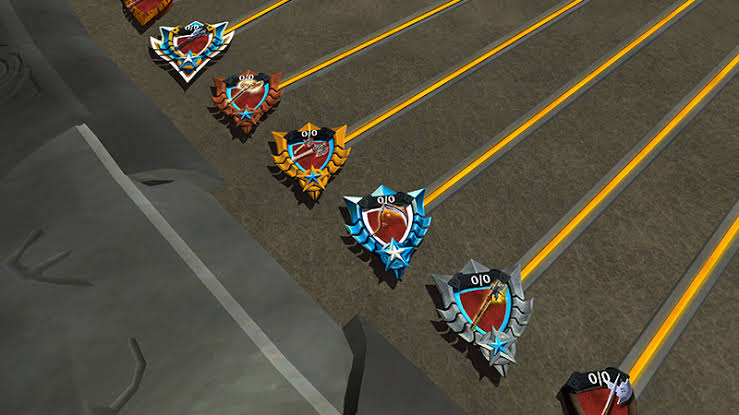
The Destiny Board controls everything in Albion Online – every swing of your weapon, every ore you mine, every piece of armor you craft. All of it feeds into this massive web of interconnected nodes that defines your character’s power and capabilities.
Most new players open the Destiny Board and feel completely lost. Hundreds of nodes spread across the screen in every direction. Without a clear strategy, you scatter fame across random paths and quit around the two-week mark, convinced the game lacks progression. It does not. The system runs deep – you just need to understand how it works and focus your efforts effectively.
What Is the Destiny Board?
The Destiny Board is Albion Online’s achievement-based progression system that replaces traditional character levels. Instead of filling experience bars to increase a universal number, the game tracks your advancement through specific nodes matching your current activities.
Every action generates fame that flows directly into corresponding nodes. Kill creatures with a crossbow, and crossbow fame increases. Harvest fiber, and your fiber gathering node progresses. Craft leather boots, and leather crafting fame accumulates. This creates a “you are what you do” system where your character grows specifically in the activities you actually perform.
How Nodes and Fame Work Together
Each node represents a distinct activity or equipment category. Accumulate enough fame in a node, and you level it up – unlocking higher tiers of gear, improving your effectiveness, and granting various bonuses depending on the node type.
Combat nodes provide item power bonuses. A player with high sword mastery deals more damage with an identical tier sword than someone who just unlocked it. The weapon itself stays the same; your mastery makes the difference. Gathering nodes increase yield and grant access to higher-tier resource spots scattered across the world. Crafting nodes improve focus efficiency and quality odds when producing items.
Navigating the Interface
Opening the full board reveals an expansive interface where achievements spread outward from a central starting point. New players begin at the bottom, working through introductory nodes that unlock within minutes. Once you reach the center, the board branches into combat, gathering, crafting, and refining paths.
Albion Online streamlines tracking through a progress bar at the bottom of your screen showing your three most recent active achievements. Kill a creature, and your combat tracker jumps to the top. Mine some ore, and gathering takes priority. This passive tracking means you never need to constantly open the full interface during gameplay.
Node Types and Categories Explained
The progression system divides into several major branches. Understanding these categories helps you plan which paths deserve attention and which to ignore entirely.
Combat Nodes and Weapon Trees
Weapon trees form the most complex section, with each weapon family containing multiple individual weapons with their own specialization tracks – swords, axes, bows, staffs, daggers, and more. Leveling a weapon family provides broad mastery bonuses, while focusing on specific weapons builds deep specialization.
The critical insight involves concentration. Spreading combat fame across seven different weapon types produces a weaker character than focusing on two. Pick your main weapon, pick one backup, and commit completely.
Gathering Progression Paths
Gathering nodes cover ore, fiber, hide, wood, and stone collection. Each resource type has its own progression track where leveling unlocks access to higher-tier nodes on the world map. Higher mastery also increases yield per action.
Unlike combat paths, gathering benefits even more from focused specialization because you need high levels to access the most valuable resources in dangerous zones.
Crafting Specialization Tracks
Crafting branches mirror the equipment system with separate tracks for cloth armor, leather armor, plate armor, weapons, tools, and consumables. Progression affects your focus efficiency and chances of producing higher-quality items.
Serious crafters typically max one or two item lines completely. Spreading across multiple categories dilutes your effectiveness everywhere.
📖 Read More: How to Buy Albion Silver on itemku – Complete Guide
Adventurer Tier Requirements
The Adventurer path represents general progression through content tiers. Advancing through these nodes unlocks access to higher-tier zones and content – think of it as the gateway that opens doors to everything else in Albion Online.
How to Unlock Nodes Efficiently
Understanding unlock requirements prevents wasted time pursuing activities you cannot yet access. The system follows clear rules once you learn them.
Fame Thresholds by Tier
Nodes unlock through fame thresholds specific to each achievement. Early tiers unlock quickly, sometimes within minutes of focused activity. Higher tiers demand substantially more investment – progression from tier 6 to tier 7 and beyond requires dedicated grinding sessions.
Prerequisite nodes must reach certain levels before subsequent nodes become available. You cannot skip directly to high-tier content without working through earlier requirements.
Reaver Tier Progression
The Reaver path focuses on defeating increasingly dangerous creatures and players. Advancing through these tiers unlocks access to higher-tier content and stronger enemies that provide more fame per kill. Risk increases, but so do rewards.
Fame as Your Progression Currency
Fame serves as the universal progression currency throughout Albion Online. Combat fame comes from killing creatures and players, gathering fame from resource collection, crafting fame from item production. The key realization: fame equals time. Time spent earning fame for nodes you will never use is time stolen from nodes that actually matter for your build.
Specialization vs Mastery: Understanding the Difference
New players constantly confuse these concepts. Understanding the distinction transforms your leveling strategy from scattered to focused.
The 20/100/120 Mastery Breakpoints
Three breakpoints define meaningful progression milestones in Albion Online. Learn these numbers – they matter more than anything else.
| Mastery Level | What It Unlocks | Time Investment | Strategic Importance |
|---|---|---|---|
| 20 | Next tier item access | Hours | Minimum threshold only |
| 100 | Full item power curve | Days | Competitive effectiveness begins |
| 120 | Specialization ceiling | Weeks to months | Endgame PvP advantage |
Mastery 20 marks the minimum level to equip or craft the next tier – it feels like progress but represents only the starting point. Mastery 100 unlocks the full item power curve for combat nodes and makes crafters genuinely competitive. This is the real working level where your character becomes effective.
Why Combat Specs Cap at 120
Combat specializations extend twenty points beyond the standard 100 cap, rewarding players who deeply commit to specific weapons. Those extra points provide meaningful item power advantages in competitive PvP scenarios. Non-combat masteries and general specs cap at 100 – the 120 ceiling exists exclusively for weapon specializations.
When to Stop Leveling a Node
Never abandon a node below 100 mastery if you plan to use it competitively. The jump from 80 to 100 provides crucial effectiveness gains. Push past 100 toward 120 only for the one or two weapons defining your core build. Everything else should wait at 100 while you concentrate on your primary path.
How to Use Learning Points Effectively
Learning Points offer a premium shortcut through progression. Misusing them wastes their entire value; using them strategically saves weeks of grinding.
Strategic Allocation Approach
Learning Points accumulate passively over time, with premium subscribers earning them faster. Spending them bypasses fame requirements, instantly completing portions of node progression. The strategic approach involves saving them for high-fame-requirement nodes – spending them on early tiers that complete quickly anyway wastes their value completely.
Common Mistakes to Avoid
New players burn Learning Points on Tier 3 and Tier 4 nodes that would complete within an hour of normal play. This feels productive but leaves you without points when facing the massive fame requirements of Tier 7 and Tier 8 progression. Reserve them for tier 6 and beyond, and for accelerating nodes crucial to your immediate goals.
📖 Read More: Albion Online Regear Guide: Estimate Silver After PvP Loss
Crafting vs Combat Investment
Crafters often benefit more from Learning Point investment than combat players. Reaching high crafting mastery unlocks focus efficiency bonuses that generate silver over time, while combat players can always grind more fame through dungeons. If you log in for short sessions and focus on economy, prioritize crafting nodes. Extended play sessions favor grinding combat fame naturally.
Fame Farming: Fastest Leveling Methods
Efficient fame farming separates players who progress steadily from those stuck grinding the same content for months. The difference comes down to target selection and focus.
High-Fame Content Options
Concentrated activity on high-fame targets produces faster progression than scattered efforts. Group dungeons provide excellent fame rates for combat nodes, with randomized dungeons in dangerous zones multiplying those rates further. Corrupted dungeons offer strong solo fame at higher risk, while Avalonian dungeons provide premium fame for organized groups.
For gathering, target zones where you can harvest the highest-tier resources you have access to. Higher tiers mean more fame per node harvested.
Optimal Leveling Routes
Speed-focused players identify the minimum path through prerequisite nodes to reach their target specializations. Map your desired endpoint first, trace backward to find required prerequisites, then level only those nodes in sequence. Everything else is a distraction that slows your core progression.
Solo vs Group Efficiency
Group content provides significantly higher fame rates than solo activities. A five-player group in a randomized dungeon earns more fame per person than each would earn solo in the same time. Solo players can still progress efficiently through corrupted dungeons and open-world content, but the tradeoff involves higher risk and more variability.
Auto-Respec and Fame Credits System
Auto-Respec converts excess fame into Fame Credits, providing flexibility for players who want to experiment with different builds without permanently losing progression value.
How the Conversion Works
Enabling Auto-Respec on a maxed node causes future fame gains to convert into Fame Credits instead of disappearing. Those credits can then be spent to level other nodes, effectively transferring your grinding investment between different paths. The conversion rate means you lose some value in the transfer – direct fame always beats converted credits, but converted credits beat wasted fame on completed nodes.
Managing Your Fame Credits
Fame Credits accumulate in a separate pool visible on your character sheet. Spending them requires visiting the progression interface and manually allocating them to nodes you want to level. Credits work identically to regular fame for progression purposes but cost more total grinding to accumulate.
When to Toggle Auto-Respec
Enable Auto-Respec once a combat node reaches your target mastery level – usually 100 or 120 depending on your goals. This ensures ongoing fame from playing your main build continues providing value. Disable it when actively leveling a node that has not reached your desired breakpoint, since direct fame flows faster than credit conversion.
Build Planning Tools and Calculators
Planning tools save enormous amounts of wasted effort by letting you map progression before committing fame to paths that might not fit your goals.
Mastery Calculator Benefits
Calculator tools estimate the total fame required to reach specific mastery levels, helping you understand the real time investment before starting. Enter your current mastery level and your target – the calculator shows the fame gap between them. Simple but invaluable for setting realistic expectations.
Third-Party Tracker Options
External trackers provide better visualization than the in-game interface, showing progress across all nodes simultaneously and highlighting efficiency opportunities you might miss otherwise. These tools help identify where you might be spreading fame too thin – a visual overview reveals patterns that node-by-node viewing obscures.
Plan Before You Grind
Smart players plan their complete build before earning significant fame. Identify which weapon, armor type, and economic activity you want to master, then calculate the total fame investment required. This prevents the scattered fame problem that kills so many new player experiences.
📖 Read More: Albion Silver for Beginners: What Is Silver Used For?
Weapon Trees: Combat Specialization Paths
Combat specialization forms the core identity of most Albion Online characters. Your weapon choice defines your role in groups and your capabilities in PvP encounters.
Melee Weapon Families
Melee weapons include swords, axes, maces, hammers, and quarterstaffs. Each family contains multiple individual weapons with distinct abilities – swords offer balanced damage and utility, axes provide burst damage, maces deliver crowd control. Leveling the family provides general mastery bonuses while specializing in specific weapons maximizes effectiveness with your chosen playstyle.
Ranged and Magic Paths
Ranged options include bows, crossbows, and various magical staffs. Fire staffs deal area damage, frost staffs control enemy movement, nature staffs heal allies, and holy staffs provide support capabilities. Each path leads to dramatically different gameplay experiences – choose based on the role you want to fill and the playstyle you enjoy most.
The Two-Weapon Focus Strategy
Veteran players recommend focusing on exactly two weapons. Your main weapon receives the majority of your fame while your backup provides flexibility when group compositions require adaptation. Two weapons at high mastery outperform five weapons at medium mastery – concentration beats diversification every time.
Gathering and Crafting: Non-Combat Progression
Not every player wants to focus exclusively on combat. The economy in Albion Online provides equally valid progression paths through resource collection and item production.
Gathering Profession Breakdown
Five gathering professions exist: ore mining, fiber harvesting, hide skinning, wood chopping, and stone quarrying. Each has its own complete progression track where higher mastery unlocks access to higher-tier nodes and increases yield per action. Maxing one profession provides better returns than spreading across all five.
Crafting Specialization Strategy
Crafting specialization improves focus efficiency when producing items – higher specialization means less focus spent per craft and increased chances of producing higher-quality results. Master crafters typically specialize in one item category completely, producing items more efficiently than generalists trying to craft everything. If you need albion online silver to fund your crafting operations or purchase materials, having a focused specialization helps you maximize returns on every investment.
Focus Efficiency Mechanics
Focus serves as a limited resource that regenerates daily. Spending it during crafting increases your resource return rate and quality odds. Higher crafting specialization makes each point more effective, creating a compounding advantage for specialized crafters who produce more items from the same materials while achieving better quality results.
Common Mistakes and How to Avoid Them
Most progression frustration stems from avoidable errors that compound over time, creating the illusion that Albion Online lacks meaningful advancement.
The Scattered Fame Problem
Players who level a little bit of everything end up competitive at nothing. The system rewards depth over breadth – a character with five weapons at mastery 50 performs dramatically worse than one with a single weapon at mastery 100. Every node you level that does not support your core build steals time from nodes that matter.
Why Players Quit Early
The two-week mark represents when unfocused players realize their scattered progression has left them weak. They compare themselves to focused players and feel hopelessly behind. The progression exists – it just requires commitment to access. Focused players did not have more time; they had better strategy.
Commit to a Path
Pick a path, pick a lane inside that path, and commit completely. This single principle transforms the system from overwhelming to manageable. You can always branch out later once your core build reaches competitive levels. Starting wide and trying to narrow later wastes enormous amounts of time and fame.
Your Progression Roadmap
The Destiny Board looks intimidating because it represents hundreds of hours of potential progression. That scope becomes manageable once you accept a fundamental truth: you are not supposed to level everything.
Pick your combat build and your economic activity, then pour fame into those specific nodes until they reach meaningful breakpoints – mastery 100 minimum for anything you plan to use seriously, mastery 120 for your one or two core combat weapons. Ignore the shiny distractions and resist the urge to try every weapon.
The players who dominate Albion Online are not the ones who leveled the most nodes. They are the ones who mastered the fewest nodes at the highest levels. Be one of those players.