


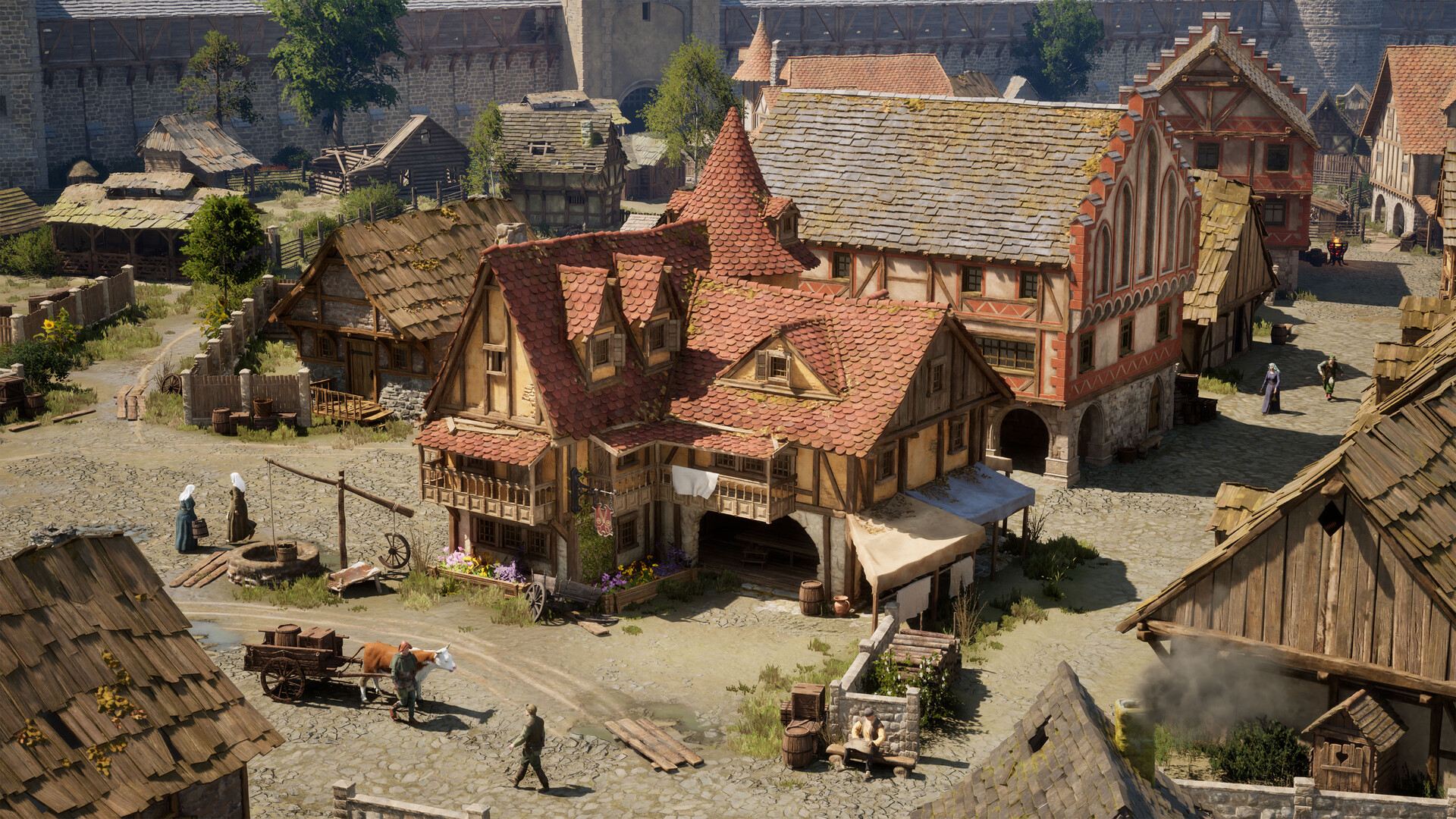
Your great-grandfather started with a rusty hammer and a dream. Now your family controls half the city council. That’s The Guild Europa 1410 in a nutshell.
This economic simulation from Ashborne Games represents a complete reboot of the beloved franchise. Gone are the technical nightmares of The Guild 3. In their place stands a fresh foundation built on Unreal Engine 5, returning to what made Europa 1400: The Guild special back in 2002.
Whether you’re planning legitimate trade empires or scheming tavern heists, this wiki guide covers every system you need to master. Dynasty building awaits on Microsoft Windows when Early Access launches July 16, 2026 via Steam.
Understanding The Guild Europa 1410
Developer Background and Series Revival
Ashborne Games handles development from their studio in the Czech Republic. These aren’t newcomers to historical gaming. Their 2023 release Last Train Home earned solid recognition in the real-time strategy space.
The team also contributed to Kingdom Come: Deliverance II development alongside Warhorse Studios. That medieval RPG experience translates directly into Europa 1410’s authentic setting. THQ Nordic publishes the title, bringing decades of simulation game expertise to the project.
Why does this reboot exist? The Guild 3 launched in 2022 after years of delays. Bugs plagued the release. Technical problems frustrated players. THQ Nordic made a bold call—start fresh rather than patch a broken foundation.
Release Schedule and Platform Availability
Mark your calendar. July 16, 2026 brings The Guild Europa 1410 to Early Access on Steam for Microsoft Windows systems. The development team revealed the game during August 2025 with a striking live-action trailer.
Console versions remain possible following PC release, though nothing concrete exists yet. Smart move, honestly. Focus matters when building complex simulations. The Steam Next Fest demo gave players their first hands-on experience, generating substantial community buzz.
Ashborne Games maintains active Steam communication channels. Regular development updates keep the community informed. This transparency builds trust after the franchise’s rocky recent history.
The Guild Europa 1410 Gameplay Deep Dive
Starting Your Dynasty From Humble Beginnings
Every dynasty begins small. Your first character starts with modest means and big ambitions. Five distinct career paths offer different gameplay experiences from day one.
| Starting Profession | Primary Focus | Playstyle |
|---|---|---|
| Trade | Buying and selling goods | Economic networking |
| Blacksmith | Metal crafting | Resource management |
| Stonemason | Construction materials | Steady production |
| Tailor | Clothing production | Fashion market timing |
| Farming | Agricultural output | Seasonal planning |
| Alchemy | Medieval science | High-value goods |
| Petty Crime | Theft and schemes | High risk, high reward |
The perspective system represents a significant departure from The Guild 2. Gone is the third-person camera. Isometric and top-down viewpoints now give strategic oversight across your growing empire. Managing multiple businesses, tracking family members, and monitoring rivals becomes cleaner.
This strategy RPG design choice emphasizes dynasty management over individual character control. You’re building an empire, not playing a single protagonist.
Profession Selection and Business Management
Trade and production form the economic backbone. Blacksmiths transform raw materials into weapons and tools. Tailors watch fashion trends sweep through medieval cities. Alchemists brew potions and medicines for those willing to pay premium prices.
Each profession demands different management approaches. Stonemasons need quarry access. Farmers track seasons religiously. Traders build relationship networks across multiple cities including historic locations like Kuttenberg.
Your starting choice isn’t permanent destiny. Diversification matters. A trading family might acquire a smithy. A farmer could expand into alchemy. The dynasty grows through strategic acquisition and calculated risk.
Mastering the Crime and Punishment System
Crime isn’t just an option. It’s a fully realized gameplay system with genuine depth.
Smoky taverns become planning headquarters. Schemes take shape over ale and whispered conversations. Spying on competitors reveals weaknesses. Bribing the right officials makes problems disappear overnight.
| Criminal Activity | Risk Level | Potential Reward |
|---|---|---|
| Pickpocketing | Low | Quick coin |
| Cart Robbery | Medium | Trade goods |
| Kidnapping | High | Ransom payment |
| Evidence Planting | Medium | Rival elimination |
| Blackmail | High | Ongoing influence |
The legal system becomes a weapon. Drag enemies into court proceedings. Plant evidence against rivals. Use bribery to ensure favorable verdicts. Every crime leaves traces, though. Careless operators expose their dynasties to imprisonment—or worse.
Prefer the lawful path? Guard positions allow players to patrol streets and enforce regulations. Hunt down criminal dynasties. The tension between law-breaking and law-enforcing families creates natural conflict, especially in multiplayer sessions.
Political Ascension and City Council Power
Business success means nothing without political power. True influence flows through council seats. Holding office transforms you from mere merchant into lawmaker.
The Treasurer controls economic levers. Tax rates shift based on your decisions. Rental prices rise or fall. Municipal fees burden specific industries—preferably your rivals’ industries. Strategic use of this position can cripple competition while your own enterprises thrive.
The Inquisitor wields terrifying authority. This office defines what constitutes crime. Kidnapping? Perhaps that’s barely a misdemeanor now. Blackmail? Maybe punishable by death. You decide.
| Council Position | Primary Power | Strategic Use |
|---|---|---|
| Treasurer | Tax and fee control | Economic warfare |
| Inquisitor | Crime definition | Legal manipulation |
Obtaining these seats requires navigating complex influence systems. Popularity matters. Bribes matter more. Accumulated blackmail material against sitting officials matters most. Every relationship decision ripples through generations.
Family Legacy and Generational Mechanics
Why Family Planning Determines Your Success
Here’s the brutal truth. Your first character will die. Without surviving heirs, the game ends immediately. Period.
Children face mortality risks that create genuine tension. Childhood illnesses claim young heirs unexpectedly. That moment when your only child falls sick while your aging patriarch coughs through council meetings? Pure strategic horror.
Family planning becomes core gameplay, not optional roleplay. Balance business expansion against heir security. Multiple children provide insurance. Wealthy dynasties can afford better medical care. The calculations run deep.
Managing Heirs and Succession
Social relationships cultivated during one generation pay dividends across subsequent ones. Alliances formed by your grandfather affect your grandson’s opportunities. Enemies made decades ago still seek revenge against your current heir.
Strategic marriages unite powerful families. A union between trading and crafting dynasties creates economic synergies spanning generations. Alternatively, marriage heals rifts between former rivals—or deepens old wounds when arrangements fall apart.
Children raised in particular environments develop traits affecting adult capabilities. A child surrounded by political maneuvering might become a natural diplomat. One raised near criminal operations could inherit useful “skills.” Your choices today shape dynasty potential tomorrow.
The Guild Europa 1410 System Requirements
Minimum and Recommended Specifications
Unreal Engine 5 powers The Guild Europa 1410. This isn’t lightweight technology. Epic Games’ latest engine delivers stunning visuals at substantial hardware costs.
UE5 features like Nanite virtualized geometry and Lumen global illumination typically demand modern graphics cards. Expect requirements similar to other Unreal Engine 5 titles releasing around the 2026 timeframe. Plan your hardware upgrades accordingly.
Unreal Engine 5 Performance Expectations
Early Access brings optimization uncertainty. Requirements may shift throughout development as Ashborne Games refines performance. Features added during Early Access could increase demands. Optimization work might reduce them.
Keep graphics drivers updated. Monitor official Steam announcements for specification changes. The development team’s transparent communication suggests requirement updates will appear promptly when necessary.
Multiplayer Experience and Game Modes
Competitive Dynasty Wars with 12 Players
Twelve simultaneous players. Twelve competing dynasties. Twelve scheming humans all trying to dominate the same medieval city.
Multiplayer transforms every system. Political maneuvering gains depth when opponents think creatively. Criminal schemes target humans capable of intelligent retaliation. Council elections become genuine campaigns rather than mathematical exercises against predictable AI.
Imagine framing a rival dynasty for crimes—then discovering they’ve been gathering blackmail material against you simultaneously. Human opponents create emergent storytelling impossible with artificial intelligence.
Single-Player vs. Multiplayer Strategies
Single-player mode remains fully available. AI-controlled families provide competition for solo dynasty builders. The economic simulation runs identically. Political systems function the same way.
| Mode | Opponent Type | Strategic Focus |
|---|---|---|
| Single-Player | AI dynasties | System mastery |
| Multiplayer | Human players | Psychological warfare |
Multiplayer demands different approaches. Information security becomes paramount. Revealing business plans to potential allies means potential enemies learn them too. Broken political promises create lasting human grudges that affect future sessions.
Essential Tips for New Dynasty Builders
Jumping into The Guild Europa 1410 without preparation invites disaster. These foundational strategies help new players establish lasting dynasties.
| Tip | Why It Matters |
|---|---|
| Diversify income streams early | Single-business reliance creates vulnerability to targeted attacks |
| Secure heirs before risky ventures | Death without succession ends your game immediately |
| Study council positions thoroughly | Wrong office pursuit wastes valuable resources |
| Monitor rivals constantly | Information enables both defense and opportunity |
| Engage Early Access feedback systems | Community input shapes development direction |
| Balance legitimate and criminal income | Pure approaches limit strategic flexibility |
The community at itemku connects players seeking trading partners, strategic allies, or simply fellow dynasty enthusiasts to discuss tactics. Building relationships outside the game often strengthens positions within it.
Series History Context
Understanding where The Guild Europa 1410 fits requires knowing franchise history. Europa 1400: The Guild launched in 2002, establishing the dynasty simulation formula. Players loved the combination of business management, political scheming, and generational storytelling.
The Guild 2 arrived in 2006 with expanded systems and third-person perspective. Commercial success followed despite technical issues. A browser game called Guild 1400 ran from 2009 to 2012 without capturing the original magic.
The Guild 3 announcement in 2014 promised a 2017 release. Delays pushed that to 2022. When it finally launched, bugs and technical problems disappointed waiting fans. THQ Nordic recognized the reboot necessity. Ashborne Games received the responsibility of rebuilding trust alongside rebuilding the game.
Looking Forward
The Guild Europa 1410 carries substantial expectations. Veterans remember the original fondly. Newcomers discover the franchise through coverage and Steam Next Fest exposure. Ashborne Games faces the challenge of satisfying both audiences.
Early Access launches July 16, 2026 on Steam. The development team commits to ongoing communication and community engagement. Your feedback shapes the game’s evolution throughout the Early Access period.
Dynasty building awaits. Will your family rise from humble beginnings to control the city council? Will rivals crush your ambitions through court manipulation and street violence? Will childhood illness claim your only heir at the worst possible moment?
Only one way to find out. See you in medieval Europe.